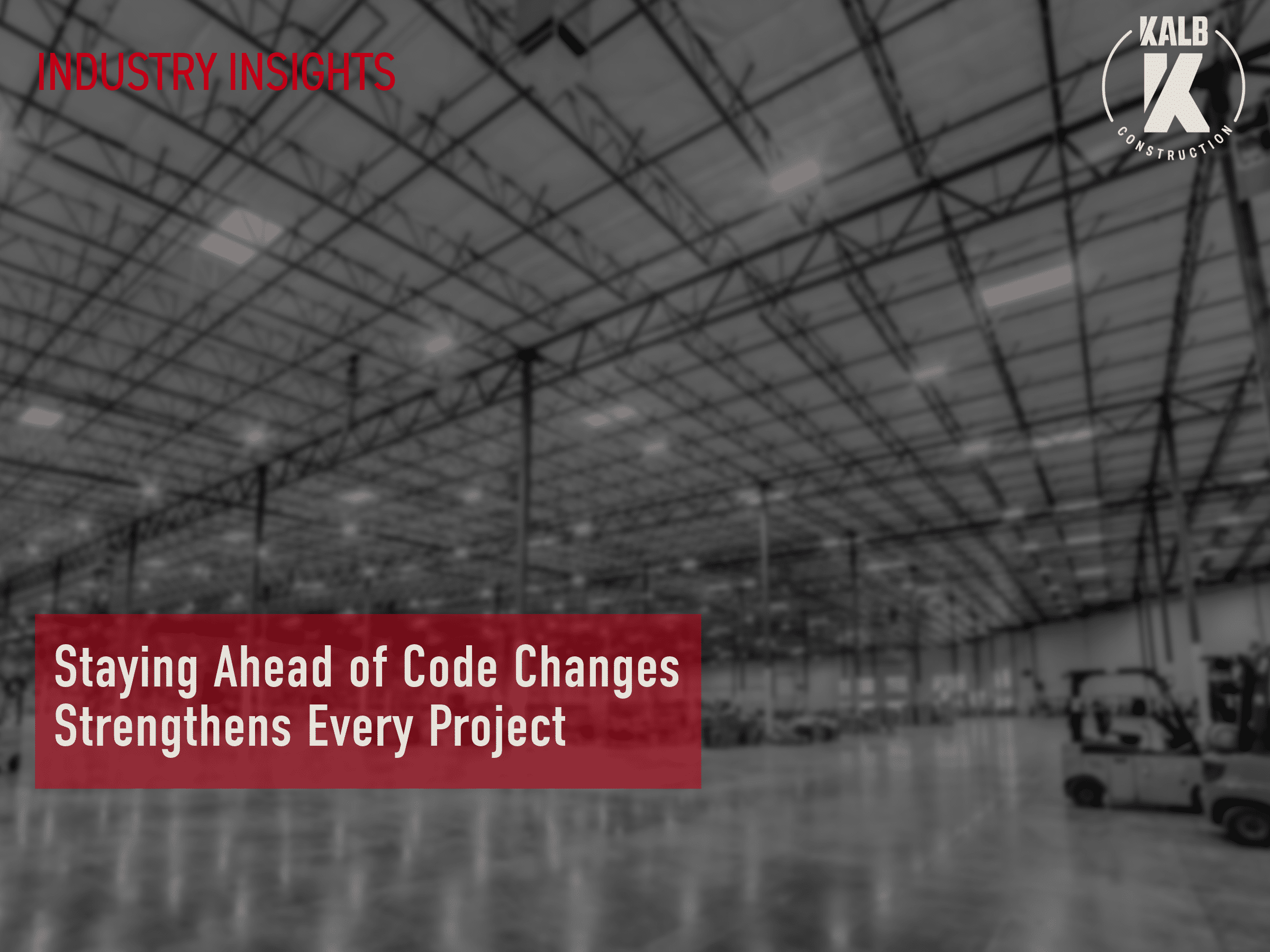
The construction industry continues to evolve as codes, materials, and best practices progress each year. The 2024 International Building Code introduced several important updates that influence project cost, coordination, and constructability. Development teams who understand these changes during the earliest planning stages gain stronger control of timelines and avoid unexpected conditions once permitting begins.
Early planning shapes every project’s path, which means updated requirements influence decisions long before drawings reach a jurisdiction. The most recent changes affect building envelope design, fire resistance, monitoring systems, insulation strategies, and special inspections. Each adjustment creates a ripple effect that touches the budget, schedule, and overall approach. Development teams benefit greatly when these factors are understood before design decisions are finalized.
The expanded list of special inspections for metal building systems demonstrates how early awareness can protect a project. The new standard introduces additional testing, third party oversight, and closer involvement from the engineer of record. These steps support long term performance while also increasing the level of coordination required. A clear understanding of these responsibilities helps project teams plan for accurate costs and realistic timelines.
Fire resistance updates create another meaningful shift. Exterior walls and parapets must now demonstrate greater continuity and more detailed transitions between roof and wall systems. CMU structures, retail pads, and light commercial buildings often feel this change most directly. Added materials, added detailing, and increased labor hours affect the final pro forma, which makes early study essential for predictable project delivery.

Additional updates influence life safety and environmental performance. Any building that contains a carbon monoxide producing device now requires monitoring that integrates with the electrical and fire alarm systems. Vapor retarder requirements also align with the energy code, which directly affects insulation selection and moisture control strategy. Although these updates appear highly technical, they shape the durability and long term performance of the final structure.
Confusion in the market has created another point of concern. Many believe that all new buildings must now be fully sprinklered. The code did not implement a universal sprinkler mandate. Requirements continue to depend on occupancy type, fire area limits, hazard classifications, and building height. However, several jurisdictions have begun tightening their own local amendments, which reinforces the value of early due diligence.
Developers who address these changes before land underwriting is complete gain a significant advantage. Early awareness supports more accurate budgeting, smoother permitting experiences, and stronger schedule control. A clear understanding of potential risks allows owners, architects, and contractors to move forward with predictable outcomes.

Kalb Construction remains committed to guiding clients through evolving codes with clarity and transparency. Our team provides assessments that explain how each update influences a specific concept or building type. This early insight allows clients to make informed decisions that strengthen both short-term planning and long-term project success. Predictability in code leads to predictable cost. Predictable cost creates stronger outcomes for everyone involved. More than anything, we build trust.