
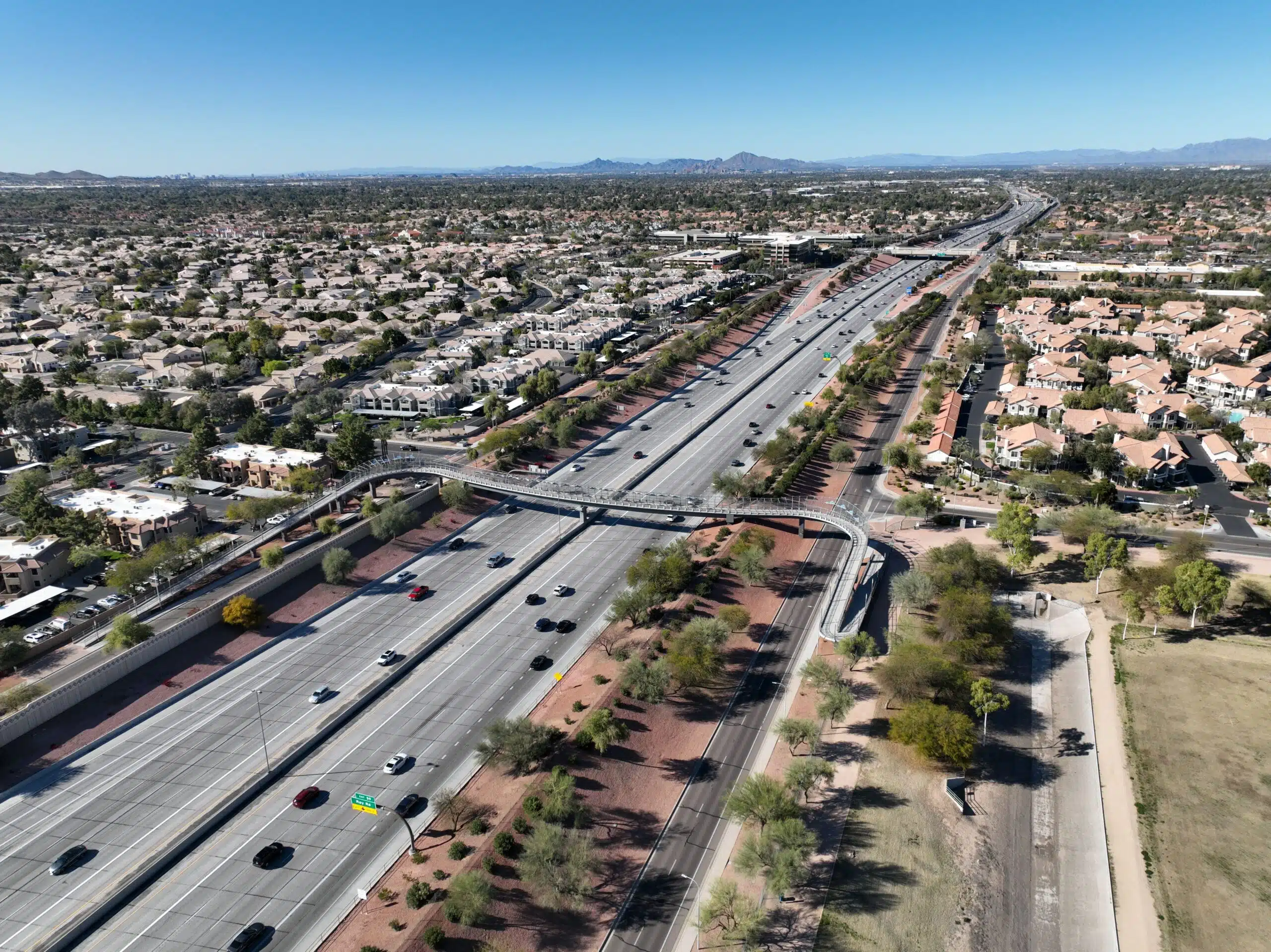
Expanding into a new market means learning much more than the local construction landscape. From permitting and licensing to subcontractor relationships and tax requirements, every market operates a little differently.
As Kalb Construction continues expanding into Arizona, one of the biggest learning opportunities for our team has been understanding how construction taxes work. We quickly learned that Arizona does things differently than Nevada.
TPT, Use Tax and Construction
Arizona uses a Transaction Privilege Tax (TPT) rather than a traditional sales tax. TPT is a tax on the privilege of conducting certain business activities within the state, and for contractors, how it applies depends heavily on the type of project being built.
For many ground-up construction projects, which generally fall under Arizona’s Modification classification, the prime contractor is responsible for reporting and remitting prime contracting TPT. With the proper documentation, materials incorporated into the project can generally be purchased tax-exempt by the prime contractor and qualifying subcontractors.
That was an important distinction for us to learn.
Arizona also treats MRRA projects (Maintenance, Repair, Replacement and Alteration) differently. Rather than applying prime contracting TPT to qualifying MRRA work, the tax responsibility generally shifts to the materials being incorporated into the project. Depending on how those materials are purchased, retail TPT or retail-equivalent TPT may apply.
Then there is use tax, which can come into play when taxable purchases are made without the appropriate Arizona tax being collected at the time of purchase.
The biggest takeaway is that there isn’t one tax rule that applies to every construction project.
Location Matters, Too
We have also learned that you cannot simply apply one tax percentage to every project across Arizona.
TPT can include state, county and municipal components, meaning the applicable rate and tax considerations can vary by jurisdiction. A project in Phoenix may be treated differently than one in Mesa, Chandler, Gilbert or Tucson.
For our preconstruction team, that means identifying the project location, classification, purchasing structure and applicable tax requirements early, not after the estimate has already been built.
Learning Before We Build
These lessons are exactly why entering a new market requires more than simply bringing an existing construction process across state lines.
As Kalb grows our presence in Arizona, we are continuing to learn the nuances of the market so we can create more accurate budgets, better communicate with our subcontractor partners and help reduce surprises for our clients.
For contractors looking to better understand these requirements, the Arizona Department of Revenue’s Contracting Guidelines provide additional information on TPT, Modification projects, MRRA and material purchasing requirements.
Every project teaches us something new, and every lesson makes us better prepared for the next one.
Because wherever we build, our approach remains the same: understand the details, communicate early and Build on Trust.
While expanding into Arizona has brought new learning opportunities for Kalb Construction, we are fortunate to have team members with previous experience building throughout the state. Their firsthand knowledge of Arizona’s construction practices, tax requirements and local jurisdictions has been invaluable as we establish our presence in the market. By combining their experience with continued research and collaboration, we are building a strong foundation for Kalb’s growth in Arizona.
This article is intended for general informational purposes and reflects our experience learning Arizona construction requirements. It is not tax or legal advice. Project-specific requirements should be reviewed with the Arizona Department of Revenue and a qualified tax professional.